
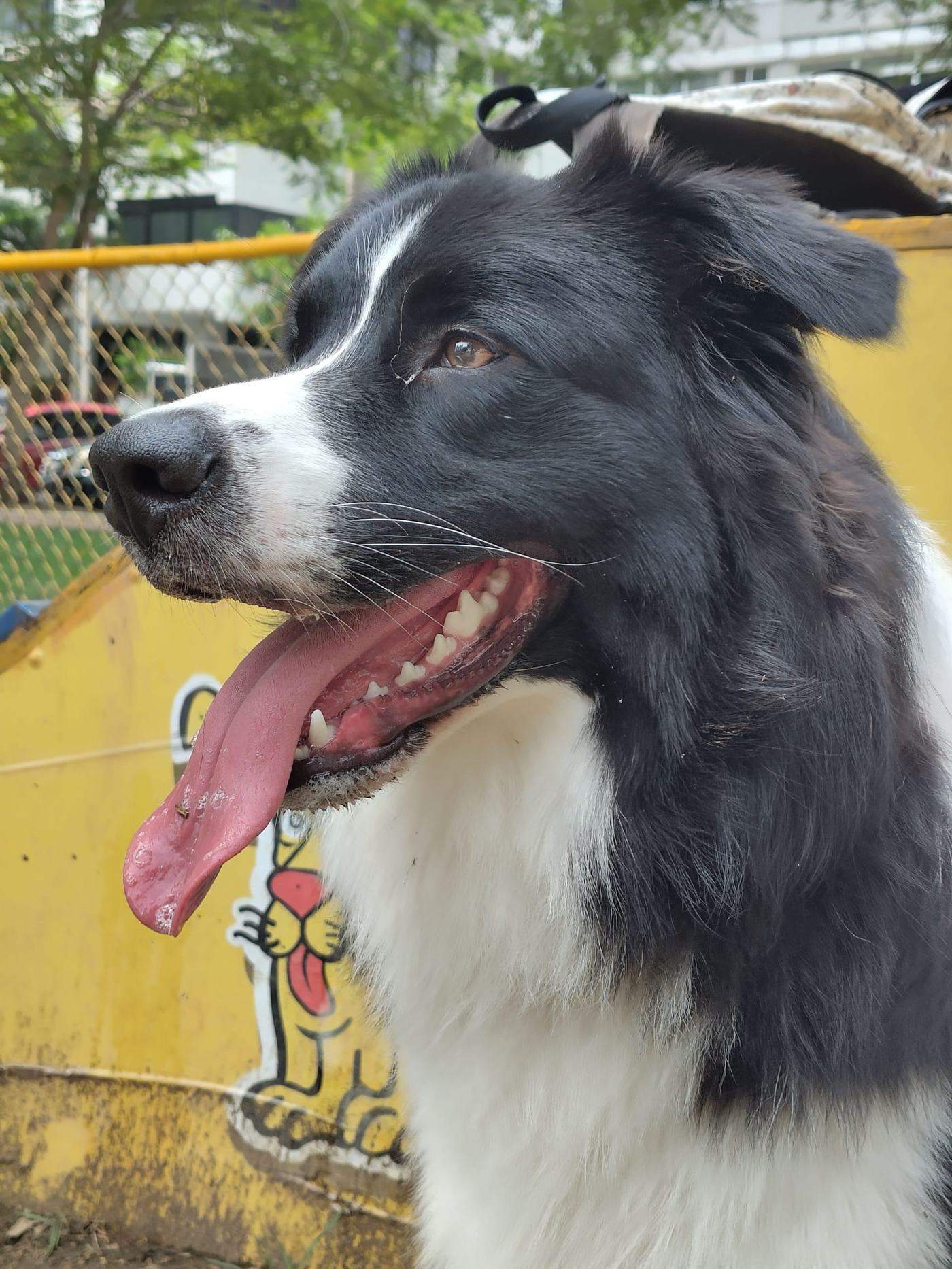
Disclaimer — This article is experience-based after 18 months in Panama with my two dogs, both transported from France to Panama City:
- An Australian Shepherd (~22 kg, American breed — long double coat, a COLD-climate breed I had to adapt to the tropics). Arrived at 9 months in Air France cargo CDG→PTY.
- A Basenji (~11 kg, 2 years old — CONGOLESE breed, the barkless dog, genetically wired for African tropical climates). Brought from France as an adult.
So I’ve tested both extremes: the cold-climate breed struggling + the tropical breed thriving. Plus input from our French-speaking vet in El Cangrejo. This is NOT medical advice, just compiled experience verified with a professional. For major decisions (breed to acquire, medical treatment), consult a Panamanian veterinarian in person.
Why Panama’s climate changes everything for a dog
Panama is:
- 26 to 32°C year-round, no cold season (except Boquete and Volcán, highlands)
- 70-90% humidity quasi-permanent
- Intense UV (latitude 9°N, sun almost vertical)
- Rainy season May-November (warm 30-min to 2h showers/day)
- Year-round parasites: ticks, fleas, mosquitoes carrying heartworm
The “standard” European dog is calibrated for marked seasons: it keeps an insulating undercoat in winter and sheds in spring. In Panama, the biological clock breaks — many dogs keep producing undercoat “as if winter” because daylight stays stable year-round (12h day, 12h night, tropical latitude).
Result: a moderately-adapted dog is permanently hot. And a hot dog is a stressed dog, who eats less, drinks a lot, fatigues quickly, and develops skin issues.
The 5 best-adapted breeds for Panama
1. Rhodesian Ridgeback
Origin: South Africa (semi-arid climate). Why it works: short flat coat, pigmented sun-resistant skin, heat-calibrated metabolism. Literally a dog made for this climate. Size: 30-40 kg. Not for a 50 m² apartment. Profile: active but calm at home. Ideal family with house + yard.
2. Vizsla (Hungarian Pointer)
Origin: Hungary (hot summers), short golden coat. Why it works: minimal coat, well-vascularized skin, high endurance. Size: 22-30 kg. Compatible with spacious apartment. Profile: very active, needs 1-2h sport per day. Morning (before 9 AM) or evening (after 6 PM) in Panama.
3. Whippet
Origin: England, derived from Greyhound. Why it works: featherweight, near-non-existent coat, fast running so efficient evaporative thermoregulation. Size: 10-15 kg. Perfect apartment. Profile: sprinter, sleeps 20h/day. The ideal Panamanian companion for someone wanting a quiet dog at home + capable of running.
4. Pharaoh Hound
Origin: Malta (hot Mediterranean climate). Why it works: skin that blushes with heat (yes really, the only dogs that blush), minimal coat. Size: 18-25 kg. OK apartment. Profile: dignified, independent, like a refined cat.
5. Short-haired Chihuahua
Origin: Mexico (Yucatán, tropical climate). Why it works: tiny size = optimal thermal exchange surface, short coat, low physical demand. Size: 2-4 kg. Profile: perfect for apartment, retirees, singles. Avoid the long-haired Chihuahua.
The 5 breeds to absolutely avoid in Panama
1. French Bulldog + Pug (brachycephalics)
The pushed-in muzzle prevents panting thermoregulation. Above 27°C they suffocate. In Panama you’re at 30°C average 9 months/12. Real risk of fatal heat stroke, especially puppies and seniors.
If you already own one: 24/7 AC, walks only before 7 AM and after 7 PM, respiratory-specialist vet for annual monitoring. Massive cost and stress.
2. Siberian Husky + Malamute
Insulating undercoat designed for -30°C. Even clipped, their metabolism stays Arctic-calibrated. Constant panting, chronic fatigue, skin issues (dermatitis). Probably the most miserable breeds in Panama.
3. Saint Bernard
Too big, too furry, too heat-sensitive. Life expectancy reduced by 2-3 years in Panama vs Switzerland.
4. Australian Shepherd
Gorgeous but thick double-coat and needs 2-3h activity/day. Can adapt but needs short clip + AC + strict sport hours (before 8 AM or after 7 PM). Suboptimal compromise.
5. Chow-Chow
Thick coat + temperament not inclined to exercise = double disadvantage. Avoid.
“Tolerable with adaptations” breeds
Labrador / Golden Retriever
Very popular in Panama despite the climate. Black Labradors suffer more than gold ones (color-absorbed heat). Adaptations: LIGHT clip (never to the skin — their double-coat protects from UV), AC during peak, daily swim, walks early/late.
Beagle
Our Beagle (Pita) does well. Small size, short coat. Adaptations: walks 6-9 AM and 5-7 PM, never after 11 AM, and very strict hydration.
American Bulldog (vs French)
The muzzle is less pushed-in than the Frenchie. Acceptable but needs vigilance.
Short-haired German Shepherd
Acceptable with clip + sport in cool hours.
The 6 mandatory adaptations for ANY dog in Panama
- Maximum hydration: 2-3 fresh-water bowls, changed twice daily. Tap water in Panama City is potable.
- Walks 6-9 AM and 5-8 PM only. Tarmac at 2 PM = 55°C, burns paw pads in 30 seconds.
- Monthly parasite prevention: NexGard (fleas/ticks) + Heartgard (heartworm). Cost ~$35-50/month. Non-negotiable — heartworm in Panama kills 1 unprotected dog in 4 within 3 years.
- Panamanian vaccines: DAPP + Rabies + Leptospirosis + Bordetella + Lyme (if rural). Annual pack = $200-280.
- Adapted grooming: brushing 3x/week to remove undercoat. Bath every 10-15 days with antifungal shampoo (humidity favors skin mycoses).
- AC during peak 10 AM-4 PM: essential if you live in the city. In the countryside (Boquete, Volcán) unnecessary.
Importing your dog from Europe: what to know
If you move to Panama with an already-adopted dog, it’s doable but takes organization:
- ISO microchip + rabies vaccine > 30 days and < 12 months.
- Health certificate from your European vet + Hague apostille.
- Apostille of the apostille at the Panamanian consulate before departure.
- MIDA import permit (Panamanian Ministry of Agricultural Development) — payable on arrival, ~$50-150.
- IATA-compliant crate for cargo transport. Air France CDG-PTY accepts 1 dog per passenger in cargo, $250-400 depending on weight.
- Tocumen arrival: airport pickup, 30-60 min sanitary control, exit.
The full guide: Import a dog to Panama with Air France.
Adopting in Panama rather than importing
Panamanian shelters are overflowing. Spay Panama (Albrook) and The Adoption Project (Marbella) have dozens of dogs available, generally “local crossbreeds” already climate-adapted. Ethically more solid than importing a mal-adapted European dog, and you save a life.
Budget $50-150 in adoption fees (sterilization included).
Going further
- Which cat breed for Panama — the cat equivalent
- Discover Panama: 8 places that make you want to stay
A question about your dog and your Panama plan? Reply to one of our newsletter emails with breed, age, any health issues. We’ll tell you what we think with nothing to sell.
— Natasha, from Bella Vista (with Pita and Cleo sleeping under the fan)